
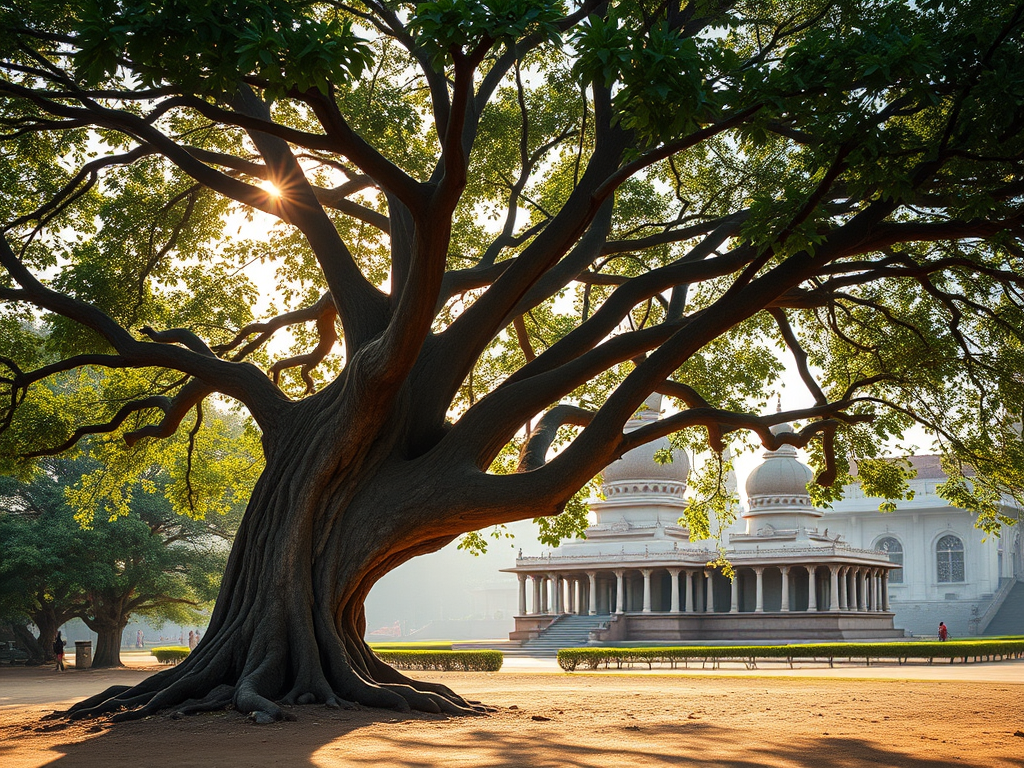
A Comparative Analysis of Spiritual Awakening, Historical Liturgy, and Contemporary Social Reform
Bodh Diwas signifies a day of awakening, enlightenment, or realization. It holds a central position in the religious history of the Indian subcontinent. It is significant in its philosophical and social history. It is also important in its global spiritual extensions. The word Bodh derives from the Sanskrit root budh—to awaken, to know, or to perceive. The concept of Bodh has evolved across centuries. It has changed within various traditions and geographies.
Gautama Buddha attained enlightenment at Bodh Gaya. Sant Garibdas Ji had a mystical realization. Sant Rampal Ji Maharaj’s Bodh Diwas is modern and social reform–oriented. Also, Navayana Buddhism saw collective liberation under Dr. B.R. Ambedkar. Bodh Diwas functions as a bridge between inner awakening and external social transformation.
This article provides a comparative, historical, and socio-spiritual analysis of Bodh Diwas. It examines its origins and ritual expressions. It also explores regional diversity, symbolic frameworks, and measurable humanitarian impact.
The Foundation of Awakening
The Enlightenment of Siddhartha Gautama
The most globally recognized manifestation of Bodh Diwas is Bodhi Day. It commemorates the moment in 596 BCE when Siddhartha Gautama attained enlightenment. This happened under the Bodhi Tree (Ficus religiosa) at Bodh Gaya, Bihar. This realization transformed him into the Buddha (the Awakened One). It marked the birth of Buddhism as a formal spiritual system.
This moment represents an ontological shift from ignorance (avidya) to wisdom (prajna), and from suffering (dukkha) to liberation (nirvana). This is the juncture where the Four Noble Truths and the Noble Eightfold Path were fully realized. They offer a universal blueprint for ending suffering.
The Psychological and Mythological Narrative of Awakening
Siddhartha’s journey toward enlightenment began with his renunciation of royal life, motivated by encounters with old age, sickness, and death. After rejecting extreme asceticism, he adopted the Middle Way, resolving to meditate until ultimate truth was realized.
Buddhist traditions recount the symbolic confrontation with Mara, the embodiment of illusion, fear, and ego. Through unwavering mindfulness, Siddhartha overcame temptation, culminating in enlightenment across three watches of the night:
- First Watch – Knowledge of countless past lives
- Second Watch – Understanding of karma and rebirth
- Third Watch – Realization of the Four Noble Truths at the rising of the morning star
This awakening is commemorated on December 8 in many Mahayana traditions as Bodhi Day.
Architectural and Botanical Symbolism
The Mahabodhi Temple, a UNESCO World Heritage Site, stands at the spiritual epicenter of Buddhism. The Bodhi Tree, believed to be a descendant of the original tree, symbolizes compassion, impermanence, and interconnectedness.
Common Bodhi Day symbolism includes:
- Multi-colored lights → diverse paths to enlightenment
- Beads → unity of existence
- Three ornaments → the Three Jewels (Buddha, Dharma, Sangha)
Global Variations of Bodhi Day Celebrations
Zen Buddhism: Rōhatsu (Japan)
In Zen Buddhism, Bodhi Day is observed as Rōhatsu (8th day of the 12th month). It is preceded by intense sesshin meditation retreats. Practitioners meditate almost continuously, culminating in an all-night vigil symbolizing the Buddha’s perseverance.
Chinese Buddhism: Laba Festival
In China, Bodhi Day merges with the Laba Festival, marked by the preparation of Laba Congee (Eight-Treasure Porridge). This commemorates the nourishment offered to the Buddha before enlightenment and is widely distributed as an act of charity.
Theravada Buddhism: Vesak
In Sri Lanka, Thailand, and Myanmar, enlightenment is integrated into Vesak. This celebration encompasses the Buddha’s birth, enlightenment, and parinirvana together. It reflects a holistic theological perspective.
| Tradition | Celebration Name | Date | Key Feature |
|---|---|---|---|
| Mahayana / Zen | Rōhatsu | December 8 | Intensive meditation |
| Chinese Buddhism | Laba Festival | Lunar Dec 8 | Laba Congee |
| Theravada | Vesak | Full Moon of Vaisakha | Triple commemoration |
| Modern Secular | Bodhi Day | December 8 | Lights & mindfulness |
Sant Garibdas Ji Maharaj and the 1727 Bodh Diwas
Within Sant Mat and Kabir Panth traditions, Bodh Diwas refers to the spiritual realization of saints. A pivotal example is Sant Garibdas Ji Maharaj, whose Bodh Diwas occurred in 1727 AD on Falgun Suddhi Dwadashi.
The Mystical Encounter at Chhudani
According to tradition, Garibdas Ji encountered God Kabir (as Zinda Baba) while grazing cattle in Chhudani, Haryana. A series of miracles led to Garibdas Ji being taken through various spiritual realms. Among these realms was Satlok, where he realized Kabir as the Supreme God.
This realization led to the composition of the Sat Granth Sahib (Amar Granth). This foundational scripture details cosmology, salvation, and true devotion.
Sant Rampal Ji Maharaj and the Modern Bodh Diwas (1988)
The most widely observed contemporary Bodh Diwas in India is associated with Sant Rampal Ji Maharaj. It commemorates February 17, 1988. This was the day he received Naam Diksha from Swami Ramdevanand Ji Maharaj.
Biographical Context
- Born: September 8, 1951 (Dhanana, Haryana)
- Profession: Civil Engineer (18 years)
- Shift: Renounced job in 1995 for spiritual mission
His Bodh Diwas marks a transition from traditional idol worship to scripture-based devotion centered on Kabir Saheb.
| Event | Date |
|---|---|
| Birth | Sept 8, 1951 |
| Bodh Diwas (Initiation) | Feb 17, 1988 |
| Authorized as Guru | 1994 |
| Resigned from Job | 1995 |
Ritual and Humanitarian Framework of Sant Rampal Ji’s Bodh Diwas
Core Spiritual Practices
- Akhand Path of Sat Granth Sahib
- Satsang (scriptural discourse)
- Emphasis on Tatvgyan (True Spiritual Knowledge)
The Five Yagnas
- Dharm Yagna – Charity
- Dhyan Yagna – Meditation
- Havan Yagna – Lamp lighting
- Gyan Yagna – Knowledge dissemination
- Pranam Yagna – Humility
Bhandara (Communal Meals)
Free meals for all, regardless of caste or religion.
2025 estimate: ~3.5 million people fed nationwide.
Social Reform: Ramaini and Humanitarian Impact
Ramaini (Dowry-Free Mass Marriages)
- Completed in 17 minutes
- No dowry, no extravagance
- Scriptural solemnization
2025 Humanitarian Statistics
| Ashram | Blood Units | Ramaini | Body Donation |
|---|---|---|---|
| Betul (MP) | 519 | – | 6,117 |
| Sojat (Raj) | 154 | – | – |
| Kurukshetra | 210 | – | – |
| Total | 1,255 | 80 | 6,157 |
These practices redefine awakening as civic responsibility.
Navayana Buddhism and Social Bodh (1956)
A distinct usage of Bodh emerges in Navayana Buddhism, initiated by Dr. B.R. Ambedkar.
The 1956 Nagpur Conversion
On October 14, 1956, Ambedkar and ~600,000 followers embraced Buddhism at Deekshabhoomi, rejecting caste oppression through 22 vows.
Navayana Bodh emphasizes dignity, equality, and rational ethics over ritualism.
Shared Symbolism Across Bodh Traditions
- Light → knowledge over ignorance
- Morning meals → mindful nourishment
- Community service → lived enlightenment
Calendar of Bodh Diwas Observances (2025–2027)
| Tradition | Event | 2025 | 2026 | 2027 |
|---|---|---|---|---|
| Buddhism | Bodhi Day | Dec 8 | Dec 8 | Dec 8 |
| Buddhism | Buddha Purnima | May 12 | May 1 | May 20 |
| Kabir Panth | Rampal Ji Bodh Diwas | Feb 17 | Feb 15–17 | Feb 17 |
| Navayana | Dhammachakra | Oct 14 | Oct 14 | Oct 14 |
Conclusion: Awakening as Service
Across centuries, Bodh Diwas has evolved from an inner realization to a collective ethical awakening. Whether through meditation under the Bodhi Tree, poetic revelations of Kabir, mass social reform, or caste liberation, the essence remains the same:
True awakening manifests as compassion, equality, and service to humanity.
Sources
| Source | Link |
|---|---|
| UNESCO – Mahabodhi Temple | https://whc.unesco.org |
| Buddhist Studies (Britannica) | https://www.britannica.com |
| Ministry of Culture, India | https://indiaculture.gov.in |
| Dr. B.R. Ambedkar Writings | https://www.mea.gov.in |
| Deekshabhoomi Trust | https://www.deekshabhoomi.org |
| Kabir Panth Literature | https://www.kabirpanth.org |
| Satlok Ashram (Official) | https://www.jagatgururampalji.org |
| Census & Cultural Studies India | https://www.indiastat.com |
| Buddhist Digital Resource Center | https://www.bdrc.io |
Leave a Reply