





Overview
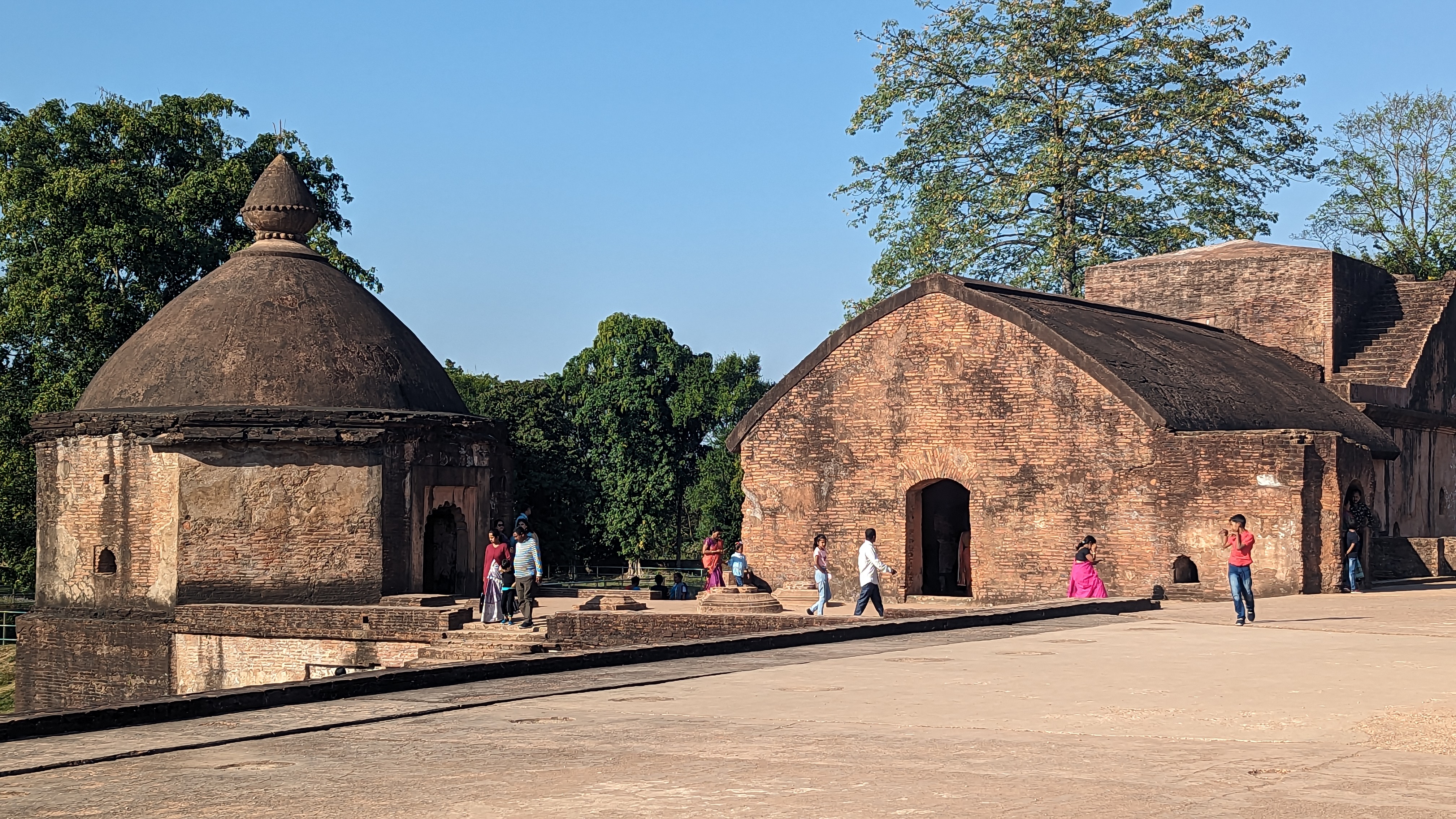
Talatal Ghar is located in Rangpur, approximately 4 kilometers from Sivasagar, Assam, India. It stands as the largest monument from the Ahom era. This structure is a testament to the dynasty’s architectural and military ingenuity. This 18th-century structure served as a royal palace. It also functioned as a strategic military base. The structure reflects the power of the Ahom rulers. Their aesthetic vision dominated the Brahmaputra valley for nearly 600 years. Despite its current state of ruin, Talatal Ghar remains a significant historical site. It draws tourists and history enthusiasts to explore its labyrinthine galleries. Visitors are fascinated by its storied past. The Archaeological Survey of India (ASI) manages it. It is open daily from 8:00 AM to 4:00 PM. It boasts a 4.5-star rating from 4,387 visitor reviews.


Historical Context
The construction of Talatal Ghar began in 1698 under King Rudra Singha (Sukhrungpha). He shifted the Ahom capital from Garhgaon to Rangpur in 1707. At that time, it was known as Tengabari. The structure was initially built with semi-permanent materials like wood. Later, King Rajeswar Singha (Surempha) fortified it with brick around 1765 AD. The palace was designed by Ghanashyam, an architect from Cooch Behar, appointed to create a new capital city. Talatal Ghar served multiple roles during the Ahom kingdom’s conflicts. It was the seat of the royal court and the administrative office. It also functioned as the military headquarters during the Moamaria rebellion and Burmese invasions. Its strategic importance is highlighted by historical accounts of two secret tunnels. One tunnel is 3 km to the Dikhow River, and another is 16 km to Garhgaon Palace. However, a 2015 Ground Penetrating Radar (GPR) survey by IIT Kanpur and ASI found no evidence of these tunnels. This sparked debate among historians and locals.
Architectural Features
Talatal Ghar is a seven-storied edifice. It has three underground floors (Talatal Ghar) and four above-ground floors (Kareng Ghar). This makes it the largest of all Ahom monuments. The structure is built along a north-south axis. It features long annexes. Builders used bricks and an indigenous cement made from Bora Chaul (sticky rice), swan eggs, and other local materials. This showcases sustainable construction techniques. The ground floor housed stables, store rooms, and servant quarters. The upper floors contained royal apartments. There were administrative rooms like the Mantranaghar (conference room), Barcharā (assembly hall), and a Puja Ghar (prayer house). The palace was surrounded by a brick fortification and an earthen fort with water-filled dykes, enhancing its defensive capabilities. Nearby, the Gola Ghar served as a gunpowder and ammunition store. Archaeological excavations in 2000–2001 uncovered brick platforms, pathways, and terracotta drains. Ceramic objects like vases and bowls were also found. These findings provide insights into Ahom daily life.
How to Reach
Talatal Ghar is easily accessible from Sivasagar town, located just 4 km away:
- By Air: The nearest airports are Jorhat (Rowriah, 55 km) and Dibrugarh (Mohanbari, 90 km). Taxis or buses can be hired from these airports to reach Sivasagar.
- By Rail: Simaluguri is the closest railway station and is 16 km from Sivasagar. It is situated on the Guwahati-Dibrugarh rail line. There are frequent trains from major cities like Guwahati. Taxis and buses are available from Simaluguri to Sivasagar.
- By Road: Sivasagar is well-connected via National Highway 37, a major route for tea and oil trade. Regular deluxe bus services (day and night) operate from Guwahati and other key towns in Assam. From Sivasagar town, Talatal Ghar can be reached by taxi or auto-rickshaw in about 10–15 minutes.
Table: Transportation Options to Sivasagar
| Mode | Details | Distance from Sivasagar | Local Transport to Talatal Ghar |
|---|---|---|---|
| Air | Jorhat Airport | 55 km | Taxi/Bus to Sivasagar, then auto-rickshaw/taxi (4 km) |
| Air | Dibrugarh Airport | 90 km | Taxi/Bus to Sivasagar, then auto-rickshaw/taxi (4 km) |
| Rail | Simaluguri Station | 16 km | Taxi/Bus to Sivasagar, then auto-rickshaw/taxi (4 km) |
| Road | National Highway 37 | N/A | Bus to Sivasagar, then auto-rickshaw/taxi (4 km) |
Best Time to Visit
The best time to visit Talatal Ghar is from October to April. During this time, Sivasagar enjoys a cool and pleasant climate with temperatures ranging from 10°C to 24°C. This period follows the monsoon season (April to September). The monsoon brings heavy rainfall and high humidity, particularly in July and August. This makes outdoor exploration challenging. Winter months (December to February) are especially comfortable. Temperatures range between 10°C and 20°C. This is ideal for visiting historical sites. It’s also perfect for enjoying festivals like Magh or Bhogali Bihu in January. The post-monsoon season also showcases Sivasagar’s lush green landscapes, enhancing the visual appeal of Talatal Ghar.
Table: Sivasagar Weather Overview
| Season | Months | Temperature Range | Conditions |
|---|---|---|---|
| Summer | May–September | 27°C–38°C | Hot, humid, occasional light rain |
| Monsoon | April–September | 31°C–38°C | Heavy rainfall, high humidity |
| Winter | November–February | 10°C–24°C | Cool, pleasant, ideal for tourism |
Ticket Prices
The entry fee for Talatal Ghar is approximately ₹20 per adult, as reported by sources like Yatra.com and other travel guides. This fee applies to Indian citizens, while foreign visitors may be charged a higher rate (e.g., ₹250 for non-SAARC/BIMSTEC nationals at similar ASI monuments). Tickets can be purchased on-site or potentially online via the ASI website, though availability should be confirmed. Note that entry is free on World Heritage Day (April 18, 2025), as announced by the Ministry of Culture.
Places to Stay
Sivasagar offers a range of accommodations to suit various budgets, all conveniently located for visiting Talatal Ghar:
- Hotel Brahmaputra: A 3-star hotel on BG Road, offering a bar, couple-friendly services, and prices around ₹2,500 per night.
- Hotel Shiva Palace: Known for comfortable rooms and quality service, priced around ₹3,399 per night.
- Hotel Piccolo: Offers excellent amenities, including restaurants and secure parking, with competitive rates.
- Hotel Aryan: A budget option on AT Road, starting at ₹635 per night.
- Hotel Dolphin: Another affordable choice, starting at ₹762 per night.
- Tourist Lodge: A government-run option, priced around ₹5,000 per night, offering basic amenities.
For bookings and additional options, visit Yatra.com or TripAdvisor. Prices may vary based on season and availability.
Table: Accommodation Options in Sivasagar
| Hotel Name | Location | Star Rating | Price Range (₹/Night) | Amenities |
|---|---|---|---|---|
| Hotel Brahmaputra | BG Road | 3 | 2,500 | Bar, Couple-Friendly |
| Hotel Shiva Palace | Sivasagar | N/A | 3,399 | Restaurant, Parking |
| Hotel Piccolo | Sivasagar | N/A | Varies | Restaurant, Banquet Halls |
| Hotel Aryan | AT Road | N/A | 635 | Basic Amenities |
| Hotel Dolphin | Sivasagar | N/A | 762 | Basic Amenities |
| Tourist Lodge | Sivasagar | N/A | 5,000 | Basic Amenities |
Visitor Information
- Opening Hours: Talatal Ghar is open daily from 8:00 AM to 4:00 PM.
- Address: XJ8F+FR5, Duboroni Ali Rd, Joysagar, Dicial Dhulia Gaon, Assam 785697, India.
- Tips for Visitors:
- Hire a local guide to enhance your understanding of the site’s history, as suggested by TripAdvisor reviews.
- Wear comfortable shoes for navigating the ruins, which include labyrinthine galleries and a large flat roof with pavilions.
- Bring water and sun protection, especially if visiting in the warmer months.
- Note that the underground floors are sealed, so only the above-ground levels are accessible.
- Current Status: The palace is in a dilapidated state, with the upper wooden floors largely destroyed. The ASI maintains the site, ensuring its preservation for tourism.
Nearby Attractions
Sivasagar is rich in historical and cultural landmarks, making it easy to combine a visit to Talatal Ghar with other sites:
- Rang Ghar: Known as the “Colosseum of the East.” This 18th-century amphitheater was built by King Pramatta Singha. It is 3 km from Talatal Ghar. It served as a royal sports pavilion.
- Siva Dol: A group of temples dedicated to Lord Shiva. They are located on the banks of the 200-year-old Sivasagar Lake. These temples offer spiritual and architectural insights.
- Joysagar Tank and Temples: A large man-made tank with temples like Joydol, which is dedicated to Vishnu. It is located 1 km south of Talatal Ghar. This place is ideal for a serene evening visit.
- Charaideo Maidam: Known as the “Pyramids of Assam,” these burial grounds of Ahom royalty are 28 km from Sivasagar. They are a UNESCO World Heritage Site.
Cultural and Historical Significance
Talatal Ghar epitomizes the zenith of Ahom power, reflecting their ability to blend military strategy with architectural grandeur. The palace’s design, with its underground floors and alleged tunnels, highlights the Ahoms’ foresight in defense. The use of local materials underscores their sustainable practices. The controversy surrounding the secret tunnels is supported by historical accounts. However, they remain unconfirmed by modern surveys. This adds an element of mystery. It makes Talatal Ghar a focal point for both historical research and tourism. Its proximity to other Ahom monuments like Rang Ghar and Siva Dol is convenient. This location makes Sivasagar a hub for exploring Assam’s royal past.

Leave a comment