
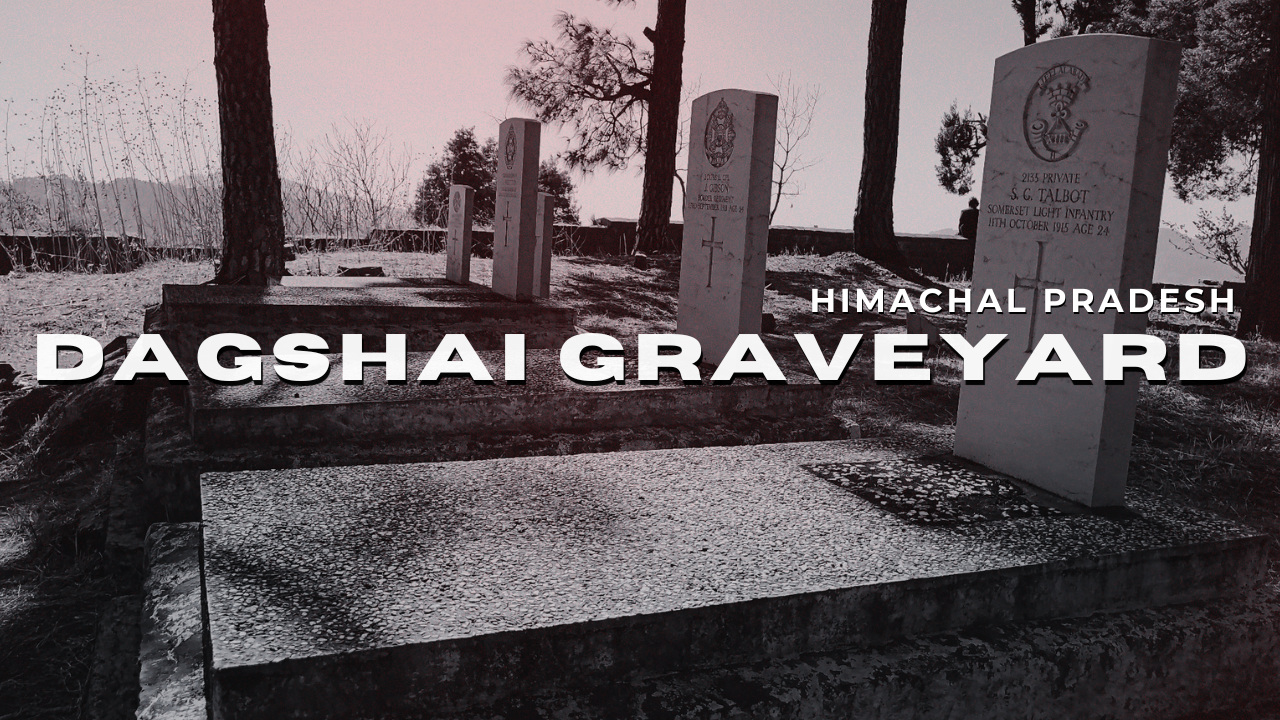
A Must Visit Offbeat Hidden Place Near Chandigarh –Unveiling the Mysteries of India’s Most Eerie Graveyard
Introduction: Why Dagshai Cemetery Captivates the Curious
Nestled in the misty, rolling hills of Himachal Pradesh, Dagshai is far from an ordinary village. This 19th-century cantonment town is steeped in colonial history and shrouded in spectral legends. Its haunted cemetery—where love, tragedy, and superstition collide—has long drawn curious travelers and paranormal enthusiasts. As you approach the cemetery, the crisp mountain air carries the scent of pine and damp earth. A hushed silence envelops you. A whispering breeze hints at stories waiting to be uncovered.
The Dark History of Dagshai: From “Royal Stain” to Haunted Grounds
Dagshai’s name comes from Daag-e-Shahi (“royal stain”). This term is rooted in the Mughal era when criminals were branded and exiled for execution. This grim legacy earned the town its ominous reputation. Under British rule, the East India Company established Dagshai as a cantonment in 1847. Military structures, schools, and even a tuberculosis sanatorium were built here, leaving behind architectural relics that whisper of bygone days.
Key Historical Highlights:
- Mughal Era: Once a site of capital punishment, where the “royal stain” marked a dark chapter in history.
- British Cantonment: Founded in 1847, featuring stately colonial architecture and serving as a medical refuge for tuberculosis patients.
- Strategic Location: Perched at 5,689 feet, Dagshai offers panoramic vistas of Chandigarh and Parwanoo. The interplay of light and shadow deepens its eerie charm.
Each stone and weathered wall seems to murmur secrets from the past. They invite you to listen closely to the echoes of history.
The Legend of Mary Weston: Love, Loss, and a Ghostly Guardian
The cemetery’s notoriety rests on the tragic story of Mary Rebecca Weston, the wife of British Major George Weston. After years of childlessness, a blessed amulet gifted by a wandering saint brought hope in the form of pregnancy. Yet, in December 1909, fate dealt a cruel hand—Mary died during her eighth month, along with their unborn child.
Overwhelmed by grief, Major Weston had a grand marble grave constructed for Mary, with exquisite stone imported from England. Imagine the marble gleaming under the pale Himalayan sunlight. The delicate carvings once depicted a promise of eternal love. Now, though, the passage of time has etched a haunting patina onto the memorial.

Sensory Anecdote:
On a foggy morning during my visit, the air was thick with moisture and the soft rustling of leaves. As I stepped closer to Mary’s grave, a sudden chill ran down my spine. It felt as if the past was reaching out. There was a blending of sorrow with a spectral presence. The faint sound of what had been whispered voices floated on the wind. This added an almost tangible layer of mystery to the experience.
The Superstition That Nearly Destroyed a Memorial:
- Myth of the Marble: Locals believed that a pregnant woman would be blessed with a male child. This would happen if she chipped a piece of marble from Mary’s grave. This led to repeated acts of vandalism, gradually wearing away the once-pristine memorial.
- Mary’s Vengeful Spirit: Many visitors recount eerie experiences. They mention sudden drops in temperature and unexplained whispers. Some even report seeing fleeting glimpses of a spectral figure roaming near the tomb. It’s as though Mary herself is protecting her sacred resting place.
- Restoration Efforts: To preserve this historic marker, restoration efforts have placed Mary’s grave under a protective cage. This ensures that her memory remains untainted by further desecration.

Beyond the Cemetery: Dagshai’s Other Haunted Hotspots
Dagshai’s eerie aura extends well beyond the cemetery. The Dagshai Central Jail, constructed in 1849 and now a museum, further enriches the town’s haunted reputation. Visitors stepping into the dimly lit corridors of the former prison often describe a palpable sense of foreboding. It is a place where history and horror converge.
Paranormal Activity at the Jail:
- Historical Horror: The jail observed brutal torture and executions, including the chilling execution of Irish soldier James Daly in 1920. There are tales of phantom screams and ghostly silhouettes that have been reported by several visitors.
- Personal Experience: A fellow traveler once shared an eerie experience. While exploring a particularly narrow cell, he felt as if unseen eyes were trailing him. This moment sent shivers down his spine. It reminded him of the unresolved agony of the past.
- Museum of Macabre: The jail is now converted into a museum. Its cramped cells—designed without proper ventilation or natural light—amplify the atmosphere. This makes it a magnet for those intrigued by India’s haunted heritage.
Planning Your Visit: A Traveler’s Guide to Dagshai
Whether you’re a history buff or a paranormal enthusiast, Dagshai offers an immersive journey. Even if you are simply a traveler looking for a unique offbeat destination, you will explore India’s colonial past. It also delves into ghostly legends.
How to Reach:
- By Road: Navigate the winding Kalka-Shimla Highway via Dharampur (approximately 11 km from Solan). The drive itself is an adventure, with steep roads and breathtaking views.
- By Rail: The nearest station is Kumarhatti, just 1.5 km away on the historic Kalka-Shimla line—perfect for a scenic ride.
- By Air: Chandigarh Airport, about 65 km away, serves as the primary aerial gateway to this haunted haven.
timesofindia.indiatimes.com
Where to Stay:
- Villa Mountain Crest: Enjoy a comfortable stay at this cozy homestay. It is located around 17 km from Solan. The homestay offers modern amenities amid rustic charm.
- Extra Options: The bustling town of Shimla, just 62 km away, provides a wider variety of hotels and guesthouses.
Visitor Tips:
- Best Time to Visit: October through March. The cool mountain air enhances the cemetery’s Gothic atmosphere. The views stay clear.
- Safety Note: For your peace of mind, avoid solo night visits. Local lore advises caution due to uneven terrain. It also warns about occasional wildlife encounters.
- Photography: Capture the interplay of light and shadow on ancient tombstones during daylight for spine-tingling yet respectful snapshots.
Conclusion: Engaging with the Legends of Dagshai
Dagshai Cemetery stands as a poignant reminder of a past where history meets myth. You believe Mary’s ghost is actively guarding her memorial. Alternatively, you view the spectral legends as echoes of a violent colonial era. In either case, the cemetery offers an experience that is emotionally stirring. It is also deeply immersive.
How Can Visitors Engage with These Legends?
- Join Guided Tours: Several local guides specialize in the folklore of Dagshai. They share firsthand accounts and little-known anecdotes. These stories bring the past to life. These tours not only give historical context but also offer personal interpretations of ghostly encounters.
- Join in Local Folklore Sessions: Some tour operators organize evening sessions. During these sessions, locals recount their personal experiences and eerie encounters. This provides visitors with an interactive way to connect with the legends.
- Think in Solitude: Find a quiet spot near the cemetery to absorb the atmosphere. Listen to the rustle of the wind and the distant sounds of nature. It is a reflective moment. You even feel a brush with the supernatural.
For travelers seeking the supernatural, Dagshai offers a memorable experience. It provides a deep dive into India’s colonial legacy. It is also simply a journey through an atmospheric landscape where every whisper tells a story. This experience lingers long after you leave.
Keywords: Haunted places in Himachal Pradesh, Dagshai Cemetery ghost story, Mary Weston grave, Dagshai travel guide, haunted jails in India, Places to visit near Chandigarh

Leave a Reply