
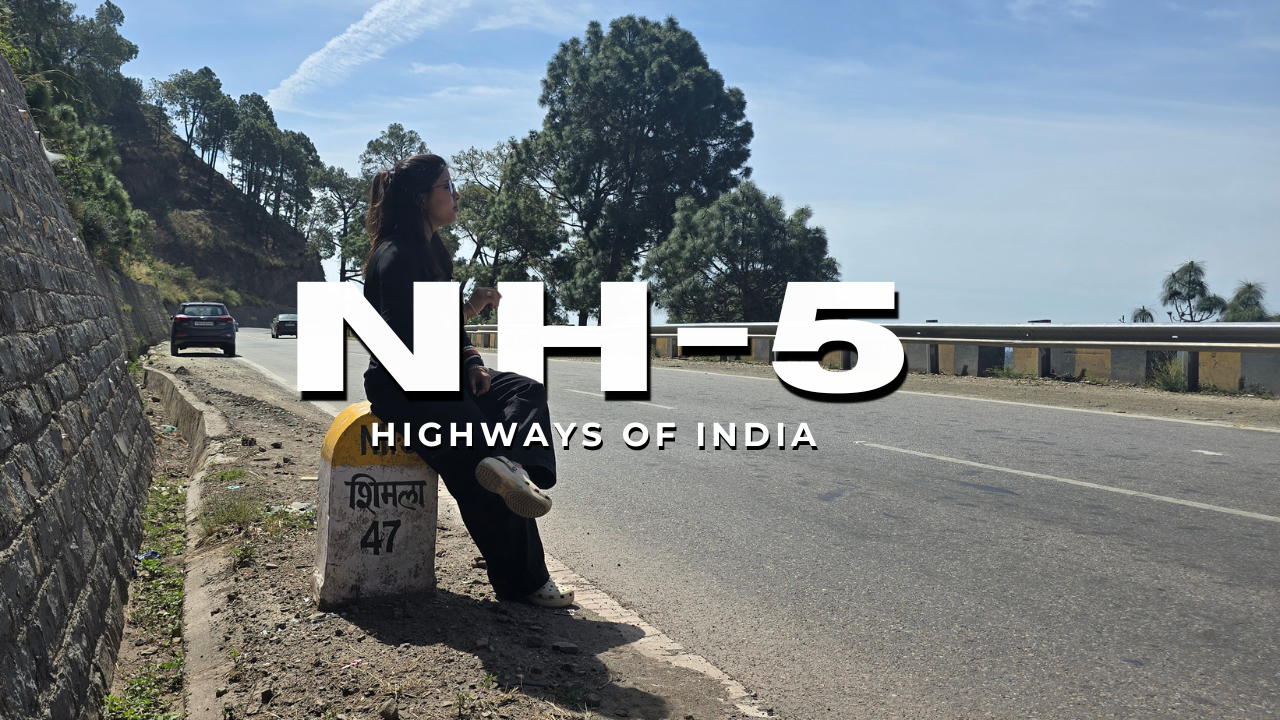
Key Points
- National Highway 5 (NH5) stretches about 660 kilometers. It runs from Firozpur, Punjab, to Shipki La, Himachal Pradesh. The highway passes through Punjab, Haryana, Himachal Pradesh, and Chandigarh.
- It offers diverse landscapes, from plains to Himalayan mountains, with the Himalayan Expressway being a scenic highlight.
- Key attractions include Pinjore Gardens near Chandigarh. Timber Trail in Parwanoo is another popular site. Additionally, Hatu Peak in Narkanda is a must-see. There are many stops for cultural and natural beauty.
- The route is popular for road trips, especially the Chandigarh to Shimla section, known for its winding roads and views.
Overview of National Highway 5
National Highway 5 (NH5) is a vital roadway in India. It connects Firozpur in Punjab to Shipki La near the Tibet border in Himachal Pradesh. Spanning approximately 660 kilometers, it passes through Punjab, Haryana, Himachal Pradesh, and the union territory of Chandigarh. The route offers a mix of plains, hills, and mountainous terrain. The highway is particularly noted for the Himalayan Expressway. This scenic stretch through the Shivalik hills makes it a favorite for road trips. It is especially popular for the Chandigarh to Shimla section.
Route and Key Stops
The route starts in Firozpur. It moves through major cities like Ludhiana and Chandigarh. It continues to hill stations like Shimla, Narkanda, and Rampur Bushahr before reaching Shipki La. Key stops include:
- Firozpur to Chandigarh: Explore the Saragarhi Memorial Gurudwara in Firozpur and the Punjab Agricultural University Museum in Ludhiana. Chandigarh offers the Rock Garden and Sukhna Lake.
- Chandigarh to Shimla: Visit Pinjore Gardens in Pinjore, the Kali Mata Temple in Kalka, and Timber Trail Resort in Parwanoo. Solan is known for the Shoolini Temple, and Shimla features the Mall Road and Jakhoo Temple.
- Shimla to Shipki La: Stop at Hatu Peak in Narkanda for views and skiing. Explore the Padam Palace in Rampur Bushahr. Enjoy scenic drives along the Sutlej River.
National Highway 5 (NH-5) Route Map

Travel Tips
Travelers should be mindful of weather conditions, especially in hilly areas, where landslides and snow can affect road conditions. The National Highways Authority of India (NHAI) maintains the highway. Updates on road conditions can be found on official sources.
Comprehensive Guide to National Highway 5
National Highway 5 (NH5) is a primary national highway in India, stretching approximately 660.2 kilometers from Firozpur in Punjab to Shipki La in Himachal Pradesh, near the Tibet border. This highway passes through the states of Punjab, Haryana, Himachal Pradesh, and the union territory of Chandigarh. It offers a diverse range of landscapes. Travelers can experience everything from the fertile plains of Punjab to the rugged, scenic Himalayan terrain. This highway is a crucial route for trade. It also connects urban centers with popular hill stations and remote border areas for tourism.
Historical Context and Significance
NH5 was formed by combining three older highways—NH95, NH21, and NH22—under a renumbering system, enhancing connectivity across northern India. The National Highways Authority of India (NHAI) maintains it. The highway plays a vital role in facilitating travel and commerce. Its proximity to the Himalayas is crucial. It also plays a role in bilateral trade at Shipki La with China and Nepal.
Route Details
The highway starts at Firozpur, a city in Punjab known for its historical significance. It ends at Shipki La, a high mountain pass. Key towns and cities along the route include Moga, Jagraon, Ludhiana, Mohali, Chandigarh, and Panchkula. The route also passes through Kalka, Solan, Shimla, Theog, Narkanda, Kumarsain, and Rampur Bushahr. The total length is reported as 660.2 km, with the route passing through varied terrains, including agricultural lands, urban areas, and mountainous regions.
Scenic and Tourist Highlights
NH5 is particularly renowned for its scenic beauty. This is especially true for the section known as the Himalayan Expressway. This section includes the popular Chandigarh to Shimla stretch. This section is celebrated for its winding roads, lush greenery, and panoramic views of the Shivalik hills. Below is a detailed breakdown of attractions along the route, divided into three main sections for clarity:
Section 1: Firozpur to Chandigarh
This section covers the plains of Punjab, known for its agricultural landscapes and cultural heritage. Notable stops include:
- Firozpur: The Saragarhi Memorial Gurudwara commemorates the historic Battle of Saragarhi, a significant event in Sikh history.
- Moga: While primarily agricultural, it features the Nestle Moga Factory. The factory is not typically open to visitors. Moga also has various gurudwaras for spiritual visits.
- Jagraon: Home to Gurudwara Nanaksar, a place of religious importance.
- Ludhiana: Offers the Punjab Agricultural University Museum, showcasing agricultural advancements, and the historic Lodhi Fort, reflecting the region’s past.
- Chandigarh: A planned city with modernist architecture. It features the Rock Garden and Sukhna Lake for leisure. The Capitol Complex is a UNESCO World Heritage Site.
This section is less about tourist attractions and more about the cultural experience. Roadside dhabas offer authentic Punjabi cuisine. They enhance the journey through the fertile fields.
Section 2: Chandigarh to Shimla (Himalayan Expressway)
This is the most scenic and tourist-heavy section, often referred to as the Chandigarh-Shimla expressway, though it’s part of NH5. It spans approximately 113-128 km, taking about 3-4 hours, depending on the route and conditions. Key attractions include:
- Pinjore: Pinjore Gardens, also known as Yadavindra Gardens, are a Mughal-style garden with fountains and terraces. They are ideal for a quick stop.
- Kalka: The Kali Mata Temple is a significant religious site, attracting devotees and tourists.
- Parwanoo: Timber Trail Resort offers a cable car ride. It provides panoramic views of the Shivalik range. This makes it a must-visit for travelers.
- Dharampur: Known for its pine forests and cool climate. It’s an excellent pitstop for a hot bowl of Maggi or tea. This provides a refreshing break.
- Solan: Dubbed the “Mushroom City of India,” it features the Shoolini Temple. It also includes the Mohan Shakti Heritage Park and local breweries. These attractions offer a blend of spirituality and leisure.
- Barog: A small village with the historic Barog Railway Station, perfect for a leisure stroll and fresh mountain air.
- Kandaghat: Karol Tibba is ideal for trekking, offering views of the surrounding hills.
- Shoghi: The Tara Devi Temple provides a serene stop with scenic views.
- Shimla: The capital of Himachal Pradesh. It is famous for the Mall Road, Ridge, and Jakhoo Temple with its giant Hanuman statue. The Christ Church and colonial architecture also contribute to its appeal, making it a major tourist hub.
Detours include Kasauli, a colonial hill station 28 km from the Kalka-Shimla route, with attractions like Monkey Point and St. Patrick’s Church, and Dagshai, 11 km from Solan, known for its jail museum.
Section 3: Shimla to Shipki La
This section is more remote, after the Sutlej River through the Himalayan terrain, offering breathtaking views and fewer but significant stops:
- Theog: Known for its apple orchards, it’s a picturesque stop for nature lovers.
- Narkanda: Hatu Peak is a highlight. It offers stunning views and skiing opportunities in winter. Nearby apple orchards add to the charm.
- Kumarsain: Less touristy, but offers scenic views along the route.
- Rampur Bushahr: Features the Padam Palace, an important historical site. It is also known for the Lavi Fair, a cultural event if timed right.
- Beyond Rampur: The journey continues along the Sutlej River. There are scenic drives and potential stops at monasteries or temples. But, information is sparse due to the remote nature.
Travel Conditions and Safety
Travelers should be aware of weather-related challenges, especially in the hilly sections. The Himalayan Expressway, part of NH5, was reported damaged by floods and landslides in 2023. Nevertheless, as of April 2025, it is assumed to be operational. This assumption is based on typical repair timelines. Speed limits differ for each vehicle type. Cars are limited to 100 km/h. Buses are limited to 90 km/h. Goods vehicles are limited to 80 km/h. Safety tips include maintaining a 3-second distance between vehicles, avoiding overtaking on hilly terrain, and carrying a toolbox for emergencies.
Additional Features and Notes
NH5 is not just a transit route but a journey through India’s geographical diversity. The Chandigarh to Shimla section is particularly popular for road trips. Travel blogs highlight stops like Timber Trail and Solan for their scenic and cultural value. The highway facilitates trade at Shipki La, enhancing its economic importance. For the latest road conditions, travelers are advised to check official NHAI updates or travel guides.
Table: Key Attractions Along NH5
| Section | Location | Attraction | Description |
|---|---|---|---|
| Firozpur to Chandigarh | Firozpur | Saragarhi Memorial Gurudwara | Commemorates the Battle of Saragarhi, historical site |
| Ludhiana | Punjab Agricultural Museum | Showcases agricultural advancements | |
| Chandigarh to Shimla | Pinjore | Pinjore Gardens | Mughal-style gardens with fountains |
| Parwanoo | Timber Trail Resort | Cable car ride, panoramic views | |
| Solan | Shoolini Temple | Spiritual site, known as Mushroom City | |
| Shimla to Shipki La | Narkanda | Hatu Peak | Scenic views, skiing in winter |
| Rampur Bushahr | Padam Palace | Historical palace, cultural significance |
This comprehensive guide aims to provide all necessary details for planning a trip along NH5. It ensures travelers can enjoy both the journey and the destinations.
Leave a Reply