



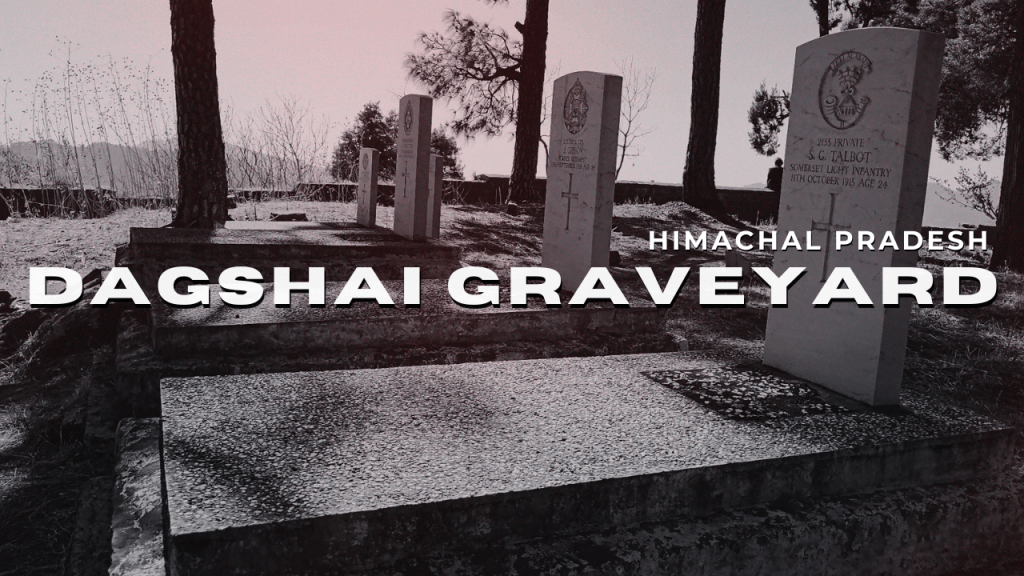

The Dagshai Jail Museum is perched on the rugged slopes of Himachal Pradesh. It overlooks a breathtaking mountain valley. Known also as Dagshai Central Jail, it is much more than a relic of British colonial rule. It stands as a silent witness to a turbulent past. This past is laced with stories of brutal punishments and revolutionary encounters. Even paranormal whispers still echo through its dim corridors.
A Journey Back in Time
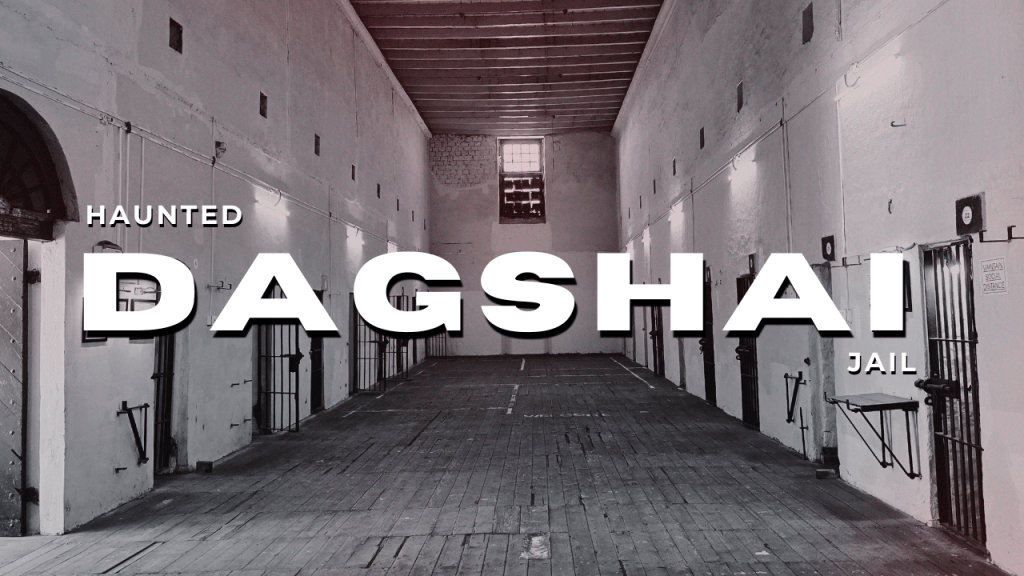
Constructed in the mid‑19th century, the jail was built around 1849 at a cost of approximately Rs 72,873. The building was originally designed as a “no-escape” military prison for “rogue” soldiers and political detainees. Its T-shaped structure, made from local stone masonry, housed 54 top-security cells. Among these, 16 were reserved for the most severe punishments. Each cell was modestly sized at 8×12 feet with lofty 20‑foot high ceilings. It featured a single 1×2‑foot window. The window offered barely any ventilation or natural light. This design created a suffocating and gloomy atmosphere that has helped fuel its reputation for hauntings.
The jail’s grim purpose is underscored by its history. Over the decades, it confined not only military malcontents but also political prisoners during the British Raj. One notable visitor was Mahatma Gandhi. He spent two days there, not as an inmate but to meet Irish prisoners. Gandhi showed solidarity with their struggle against colonial rule. In a macabre twist, Nathuram Godse, the assassin of Gandhi, was held in cell number 6. This occurred before his trial in Shimla. Local historian and curator Anand Sethi, whose passion revived this once-forgotten monument, recalls his grandfather’s role. His grandfather was among the judges in Godse’s trial. This fact adds a personal dimension to the jail’s legacy.
Dagshai Jail Photos


From Prison to Museum
After India’s independence, the jail eventually fell into disuse—its harsh cells and oppressive corridors slowly abandoned and relegated to storage. In 2011, Brigadier Ananth Narayanan and local resident Anand Sethi made relentless efforts. Because of their dedication, the structure was reborn as a museum. Today, visitors can wander through its cold, narrow passageways. They can read title boards that detail the fate of each cell. Visitors can explore archival photographs and memorabilia sourced from India, the U.K., and Ireland. The museum is maintained by the Engineering Wing of the Indian Army. It preserves the stark history of colonial punishment. Moreover, it offers a tangible connection to India’s struggle for freedom.
Eerie Echoes: The Haunted Aura of Dagshai
This very past—a tapestry of suffering and defiance—gives Dagshai its reputation. It is known as one of India’s most haunted spots. As you step into the dimly lit corridors, the cramped cells seem to whisper tales of despair. Visitors often report an inexplicable chill. Fleeting shadows evoke the tormented spirits of those who once languished within these walls. The notorious “Bread and Water” punishment adds to the jail’s eerie legacy. Prisoners were forced to stand in a narrow gap. They had only bread and water as sustenance.
The mystique is enhanced by the solitary VIP cell where Gandhi once stayed. This cell now displays his photograph and iconic charkha. It juxtaposes the legacy of a freedom fighter against the cruelty of colonial punishment. The haunted aura of Dagshai is palpable to many. It manifests in the echo of footsteps in an empty corridor. It also appears in the oppressive silence of a sunless cell. It is a living memory of agony and resilience.
Visitor Information
For those intrigued by both history and the paranormal, the Dagshai Jail Museum is accessible year-round. Here are some practical details to help plan your visit:
- Location: The museum is located in the quaint cantonment town of Dagshai. It is about 11 km from Solan in Himachal Pradesh. The altitude is 6,087 feet (1,855 m).
- Timings:
- Morning: 9:30 AM – 12:30 PM
- Evening: 3:00 PM – 5:00 PM
Monday Closed
- Ticket Price: Entry to the museum is free. This makes it an accessible site for both history enthusiasts and paranormal aficionados.
A Place Where History and Haunting Coexist
The Dagshai Jail Museum is not merely an architectural curiosity; it is an immersive experience. Walking its corridors, you are compelled to confront the harsh realities of colonial rule. Every stone seems to murmur of lost lives. They speak of undying resistance. The blend of stark history with whispered legends of hauntings creates an atmosphere that is both sobering and spine-chilling.
Dagshai offers an unforgettable journey. You will be fascinated by India’s colonial past. You have a curiosity about ghost stories. Or, you simply enjoy the thrill of stepping into a place where time stands still. It is a reminder that history is not just written in books. History is etched in the very walls that once confined human misery and defiance.
Enjoy your visit to Dagshai Jail Museum. Prepare to experience the silent echoes of history. You will also meet the lingering whispers of its haunted past.


Leave a comment