
If you have ever booked a train ticket through IRCTC, you’ve likely encountered codes like LB, MB, UB, SL, and SU. While most people understand “Upper” and “Lower,” the “Side” berths often spark curiosity or confusion for first-time travelers.
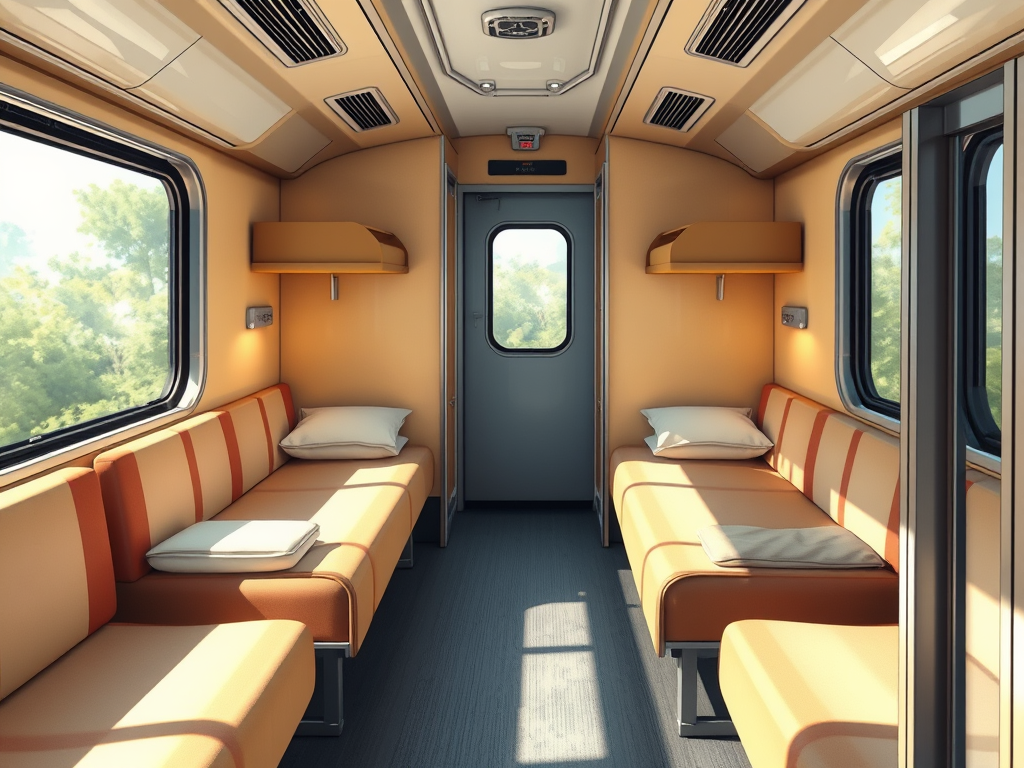
SU stands for Side Upper berth. It is a single longitudinal berth. It is located along the aisle of the train coach. The berth is positioned directly above the Side Lower (SL) berth.

Coach Layout: Where is the SU Berth Located?
In standard Indian Railway coaches (Sleeper Class, 3-Tier AC, and 2-Tier AC), the layout is divided into two sections:
- The Main Cabin: A set of 6 berths (two sets of Lower, Middle, and Upper facing each other).
- The Side Section: This section consists of 2 berths. They are the Side Lower and Side Upper. These berths are located across the aisle from the main cabin.
In a typical 72-berth coach, the SU berths are generally numbered in multiples of 8 (e.g., 8, 16, 24, 32, 40, 48, 56, 64, 72).
Fact Check: Common Myths vs. Reality
| Feature | Fact |
| Length | Fact: SU berths are generally the same length as main berths. They may feel shorter because there are no “gaps” at the head or feet. |
| Width | Fact: They are slightly narrower than the main Upper Berths to allow for aisle space. |
| Privacy | Fact: They offer more privacy than the main cabin berths. You only have one “neighbor,” the person below you, rather than five. |
| Window Access | Fact: You do not have a window while lying down. During the day, you share the window seat with the Side Lower passenger. |
Pros and Cons of Booking an SU Berth
Choosing the Side Upper berth is a matter of personal preference. Here is a breakdown to help you decide:
The Advantages (Pros)
- Daytime Independence: Unlike the Middle Berth, which must be folded down, the Lower Berth is where others sit. You can keep your bed “open” all day if you want to nap.
- Privacy: Since it’s tucked away on the side, you aren’t stuck in the middle of a noisy 6-person group.
- Better Airflow: In non-AC coaches, being near the aisle often means slightly better ventilation.
- The “Single” Experience: It is ideal for solo travelers who want to avoid the social pressure of a full cabin.
The Disadvantages (Cons)
- Narrow Space: If you are broad-shouldered or a restless sleeper, the SU can feel restrictive.
- Climbing: You need to use the ladder or steps to reach it. This is difficult for elderly passengers. It is also challenging for those with knee issues.
- Aisle Disturbance: It is right next to the aisle. You may be woken up by people walking past. Vendors may shout throughout the night.
- Charging Points: Sometimes, the charging point for the side berths is shared or located awkwardly near the Side Lower seat.
How to Book a Side Upper Berth?
While IRCTC allows you to select a “Berth Preference” during booking, it is not guaranteed. Seats are allocated based on availability and software logic.
- Tip: If you are traveling solo, choose “Side Upper” as your preference. This choice increases your chances because many families prefer the main 6-berth cabin to stay together.
- Senior Citizens: It is generally recommended for seniors to avoid choosing SU. The climb is steeper and more awkward than the main Upper Berth.
Final Verdict
The SU (Side Upper) is the “introvert’s choice” of the Indian Railways. It’s perfect if you want to climb up. You can plug in your headphones and ignore the world until you reach your destination. However, if you prefer more “elbow room,” you might want to stick to the main cabin Upper Berth.
Leave a Reply