
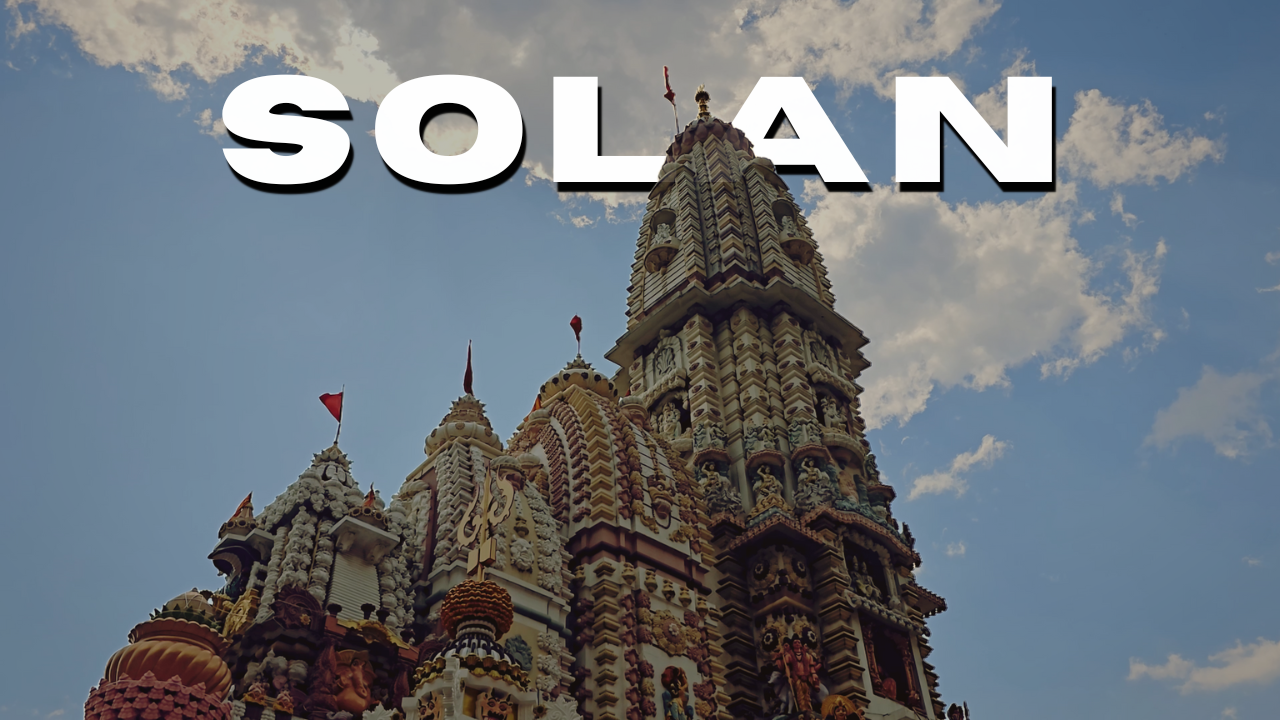
Solan is a charming hill town nestled in the Shivalik range of Himachal Pradesh. It is often called the “Mushroom City of India” for its prolific mushroom production. Additionally, it is known as the “City of Red Gold” for its tomato production. This district boasts a thriving agricultural economy and rich biodiversity. It offers an array of tourist attractions and outdoor activities. It is a compelling destination for travelers seeking both cultural immersion and natural beauty.
1. Geographical and Climatic Overview
Solan spans approximately 1,936 square kilometers and is located at an elevation averaging 1,550 meters. The region experiences a mix of subtropical and temperate climates:
- Summer: Temperatures range from 20°C to 30°C, ideal for exploring the outdoors.
- Monsoon: From July to September, the area turns lush green, although heavy rains may cause occasional travel disruptions.
- Autumn & Winter: Between October and February, temperatures drop between 0°C to 20°C. Winter brings a cool chill and light snowfall in higher areas.
This pleasant and varied climate supports diverse agriculture. It also creates a stunning backdrop for sightseeing and adventure activities
2. Agricultural Landscape and Protected Cultivation
Traditional Agriculture and Horticulture
Solan is deeply rooted in traditional farming practices. It has varied crops ranging from staple grains to high‑value horticultural produce. These include apples, plums, kiwi, and apricots. Mushroom cultivation plays a vital role in the local economy, lending the city its “Mushroom City” nickname.
Protected Cultivation: A Modern Approach
In response to the region’s challenging weather, many local farmers have taken action. They have adopted protected cultivation techniques using greenhouses, polyhouses, and low tunnels. Case studies from Kanda Village show yield improvements of three to five times compared with open‑field cultivation. Besides boosting crop output, protected cultivation helps:
- Extend the Growing Season: By controlling microclimatic conditions, crops can be grown year‑round.
- Improve Resource Efficiency: Drip and sprinkler systems reduce water wastage.
- Manage Pests and Diseases: The controlled environment minimizes pest invasions and disease spread.
Despite high initial costs and technical challenges, government subsidies are gradually increasing the adoption of these methods. Training programs also play a significant role in this increase.
3. Land Use Dynamics and Environmental Change
Remote sensing studies reveal notable shifts in Solan’s land use:
- Forest Replacement: Native broadleaved forests are gradually being replaced by monoculture plantations (e.g., chir pine and khair) to meet commercial demands.
- Agricultural Expansion: As agricultural practices evolve, more land is allocated for protected cultivation. This practice supports higher yields even on small plots.
Sustainable land management is crucial. It balances economic growth with environmental conservation. This balance ensures the long-term health of the fragile Himalayan ecosystem
4. Biodiversity and Avifaunal Richness
Solan is a hotspot for biodiversity, especially birdlife:
- Avifaunal Diversity: Researchers at the YS Parmar University of Horticulture and Forestry (YSPUHF) in Nauni have identified more than 150 bird species. These species belong to 16 different orders. Passeriformes dominate the avifauna on campus. It is home to both common residents and endangered species. Species such as the Egyptian Vulture and Steppe Eagle can be found here.
- Ecological Significance: Birds serve as important indicators of ecosystem health. Ongoing monitoring is essential to conserve the region’s natural heritage
5. Tourist Attractions and Things to Do
Solan offers a blend of natural, cultural, and historical attractions:
Top Attractions
- Shoolini Mata Temple: This revered temple is dedicated to Goddess Shoolini. It is a major spiritual center. It is a must‑visit during the annual Shoolini fair.
- Mohan Shakti Heritage Park: This is a unique park showcasing India’s cultural heritage. It features replicas of historical landmarks. The park also has lush gardens and themed exhibits.
- Jatoli Shiv Temple: Known for its striking architecture and scenic Himalayan views, this temple is an ideal spot for meditation.
- Kuthar Fort: An 800‑year‑old fort with intricate designs, fresh-water springs, and panoramic views.
- Bon Monastery: One of the oldest Bon monasteries in the world, offering a peaceful retreat into Tibetan culture.
- Kalka-Shimla Toy Train: A UNESCO‑listed heritage railway that offers a slow, scenic journey through 107 tunnels and 864 bridges.
- Other Notable Sites: Include the Dagshai Jail Museum. Karol Tibba is a trekking destination. Mohan Meakin Brewery is one of India’s oldest breweries.
Nearby Excursions
For travelers wishing to explore beyond Solan, day trips can include visits to:
- Kasauli: A quaint hill station just 30 km away.
- Chail: Home to the world’s highest cricket ground.
- Dagshai and Darlaghat: Offer historical insights and natural sanctuaries.
These sites enrich your itinerary and provide a comprehensive taste of Himachal Pradesh’s charm.
6. Transportation: How to Reach Solan
By Road
Solan is easily accessible by road:
- From Delhi: The most scenic route covers about 300 km via NH44 and NH5, taking approximately 5.5 to 7 hours. Travelers can opt for self-drive, taxis, or state/ private bus services (fare ranges from ₹500 to ₹1,500).
- From Chandigarh: It is just 66 km away, typically a 1.5‑ to 2‑hour drive. Frequent buses and taxis are available.
By Train
- Kalka-Shimla Railway: Solan is a stop on this famous narrow‑gauge line, which is a UNESCO World Heritage site. The Kalka station serves as the railhead from major cities like Delhi. From Kalka, the toy train journey to Solan offers an unforgettable experience.
By Air
- Nearest Airport: Chandigarh International Airport (IXC) is the closest, located about 66 km from Solan.
- From Delhi: Several daily flights connect Delhi to Chandigarh. Once at the airport, taxis and buses are available (taxi fare around ₹2,000–₹3,000 for a 2‑hour ride).
- Alternate Option: Shimla Airport is also nearby, though it has fewer flight options.
These multiple transport options ensure that Solan is accessible for every traveler citeturn1search5, citeturn1search7.
7. Weather and Best Time to Visit
The weather in Solan is one of its major attractions:
- Spring (March-April): Mild temperatures (15°C–25°C) and blooming landscapes.
- Summer (May-June): Pleasant days (20°C–30°C) make it an ideal escape from the plains.
- Monsoon (July-September): Lush green scenery with heavy rains; travel may be challenging.
- Autumn (October-November): Cool, clear skies ideal for trekking and sightseeing.
- Winter (December-February): Chilly (0°C–20°C) with occasional snowfall, perfect for enjoying a cozy mountain retreat.
Plan your visit according to the activities you prefer—whether it’s a summer road trip or a winter wonderland experience citeturn1search3.
8. Additional Tourist Information
Accommodation
Solan offers diverse lodging options, from luxury resorts and mid‑range hotels along the Mall Road to cozy homestays in the outskirts (e.g., Kandaghat for a more serene experience).
Local Cuisine
Taste local Himachali dishes like Siddu, Chha Gosht, and Kadi Chawal at local dhabas. You can also enjoy them at upscale restaurants such as The Frontier Restaurant and Krishna Vaishno Dhaba.
Shopping
The local markets, especially Mall Road, are perfect for picking up traditional handicrafts. You can also find local spices, woolen garments, and souvenirs that reflect the cultural heritage of Himachal Pradesh.
Outdoor and Adventure Activities
Adventure enthusiasts can enjoy trekking, river rafting, camping, paragliding, and mountain biking in the lush hills around Solan. Popular treks include those in Karol Tibba and Chood Chandni.
9. Conclusion
Solan integrates its robust agricultural traditions with modern innovations like protected cultivation. It is also emerging as a vibrant tourist destination. Solan’s pleasant weather, accessible transport links, and cultural and natural attractions create a rich tapestry. This makes it a destination for both the mindful traveler and the adventure seeker. Whether you’re coming for the serene landscapes or the rich heritage, Solan promises unforgettable moments. If you’re seeking an escape from the hustle and bustle of the cities, Solan offers an unforgettable experience.
Leave a Reply